Before anyone had heard of GlassStories.art, before there was a website, a prompt or a single line of code, there were three stories in a notebook with a canvas cover. I wrote them by hand, for no audience yet, so that they would not vanish inside me. The writing felt less like invention than like taking dictation from someone patient, and I never quite decided who.
I cannot draw. I do not have the hand of a master painter, and the visions that kept company with those stories, the flickering images and half-worlds, insisted on being seen. A color of light. A face turned away. The edge of a building that never finished appearing. They shimmered just beyond reach, and they were always larger than the stories themselves.
So I went looking for a collaborator who works in images. I use generative AI for this, and I would rather say so plainly: the words are mine, and the images come from AI tools that I direct, correct and curate.
It is slow work. A prompt is a very small door, and behind it lie hundreds of rooms, most of them wrong. I open one, look, close it, try the next, until a room reflects something I recognize as belonging to the story. The tool offers the rooms. The choosing is mine.
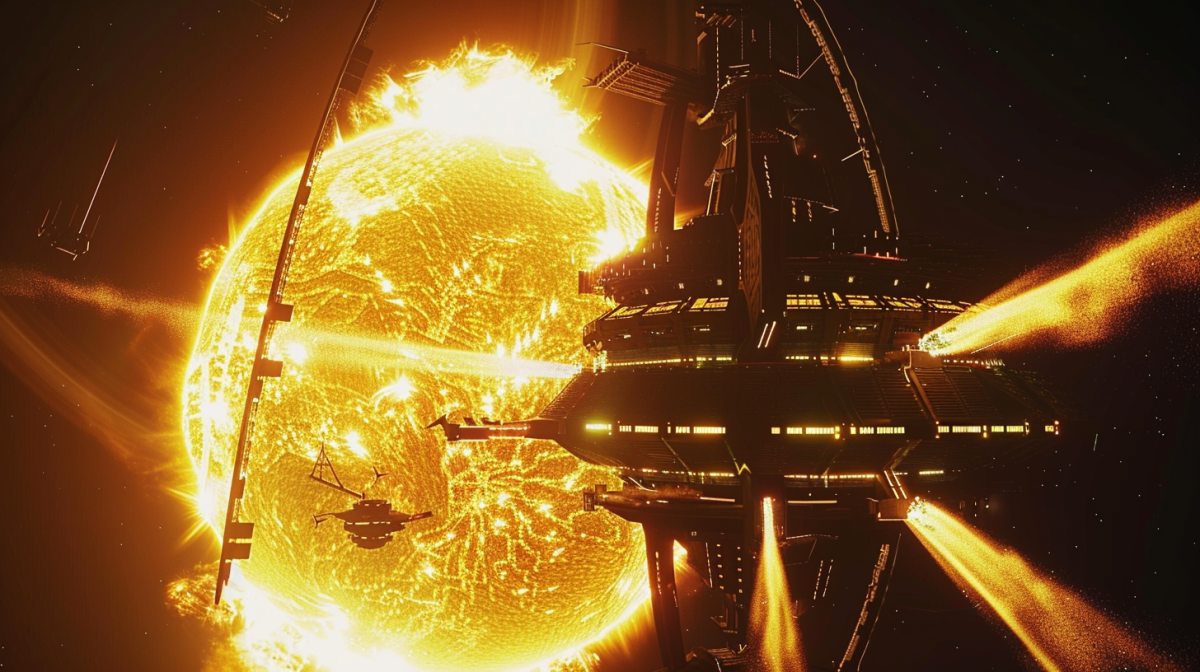
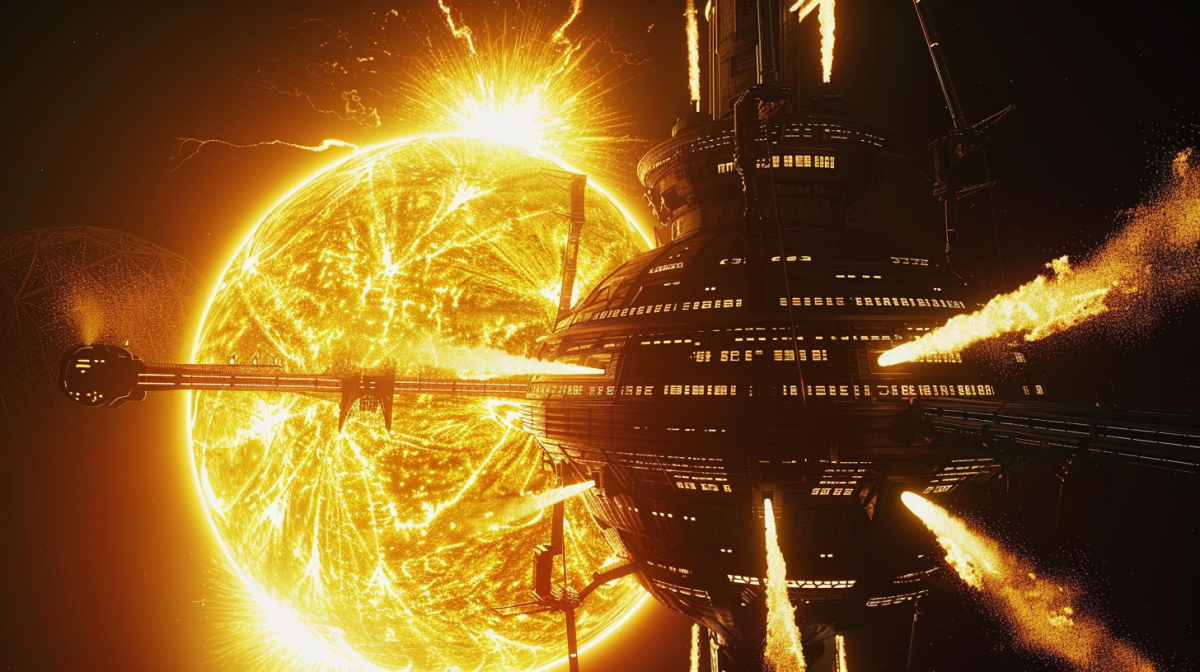
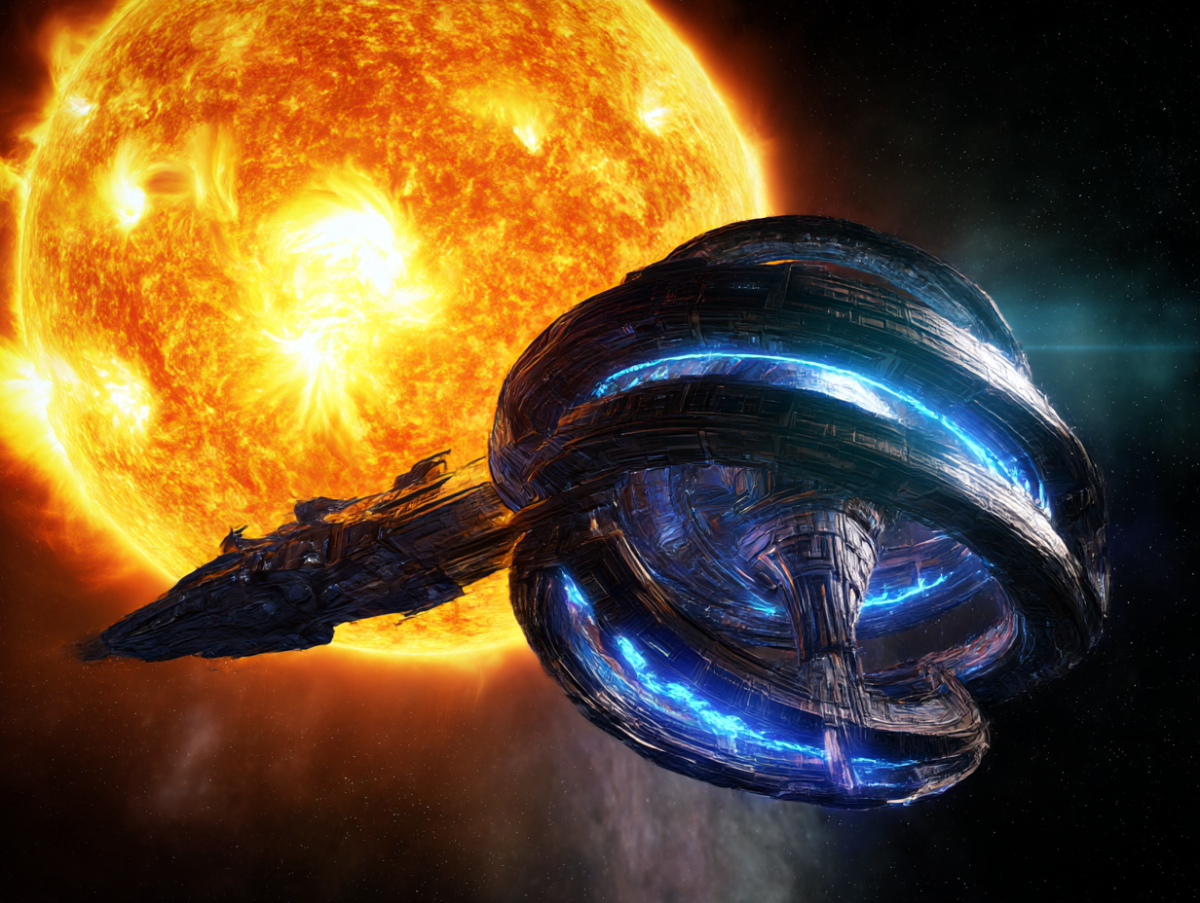
Now I am working on the second story, the one about a dying Sun. My attempts for it are unfinished, and I would rather keep them close than show them half-made. The finished images will live where the story lives: in the title graphic, in the Hologlass, the digital card of the package, and on the printed card that carries the microstory itself.
The whole process has the shape of a pilgrimage, with many wrong turns and a few clear mornings. If you have ever felt that some of the light rises from within, stay with me. These stories and these images are footprints from an inner path, and you may find a trace of your own among them.